












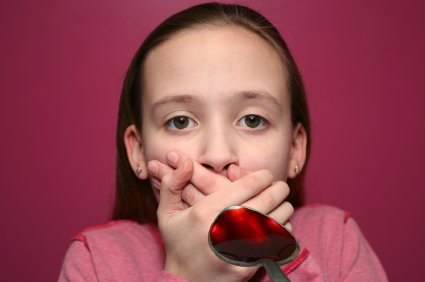
 Remember the Mary Poppins movie? She said all it takes is a spoonful of sugar to help the medicine go down. How I wish it was that easy! We all hate to see our kids sick and the last thing we want is to have a battle with them so they take their medicine. In truth, it’s not always that easy, nor is it always prudent or practical to mix sugar or anything else into our children’s medicine without checking with a health care professional.
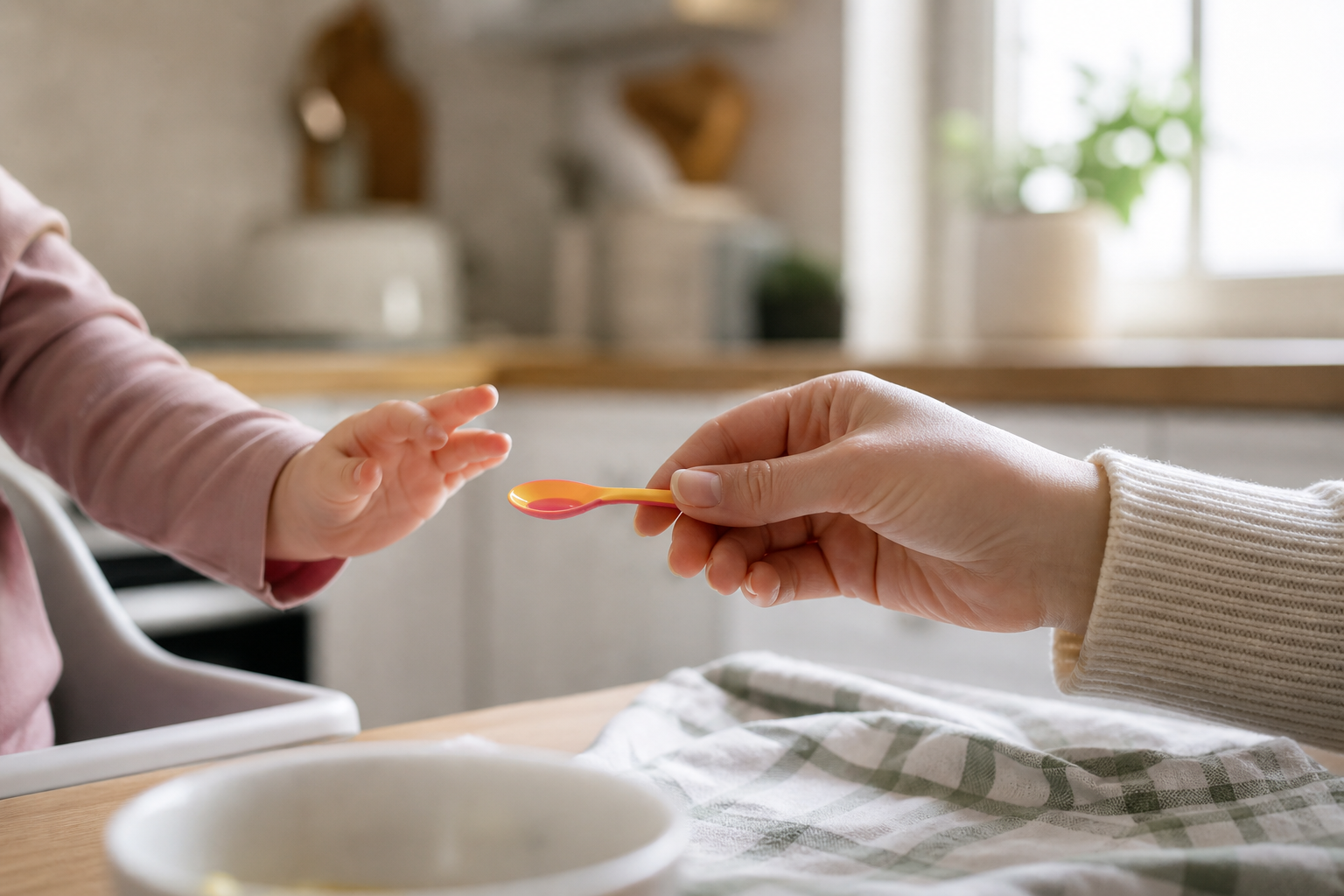
However, there will come a time when you have to dispense medicine to your unwilling child, and it will seem like an impossible task. A squirming baby, a toddler heading for the hills and a preschooler whose mouth is clamped shut can play a surprisingly effective defense against unwanted medication.
Below are some tips that can help you get medicine into a reluctant child:
- When dispensing liquid from a dropper, aim towards the side of the cheek. Squirting it directly towards the throat can cause young children, especially babies, to gag. In addition, less of the liquid will touch their taste buds, a bonus if the flavor is particularly obnoxious.
- Many pharmacies will flavor liquid medicine upon request. The few dollars it takes for them to make that bitter concoction taste like a grape lollipop is well worth the cost.
- If you know your child hates the taste, ask the pediatrician if he can prescribe a better tasting medicine. Obviously this only works if such a medicine is available and is as safe and effective for your child. But it can’t hurt to ask.
- You may be able to hide the medicine in your child’s food or drink. This depends on the medicine, so ask the doctor or pharmacist if it’s acceptable. Obviously it won’t work if the instructions say to take it on an empty stomach. In addition, some medications are too oily and won’t mix well with liquids, although they might mix into food well enough. If you go this route, make sure your child finishes the food or drink, or they won’t swallow their full dose.
- Sometimes medication comes in different forms, including liquids, chewable tablets or dissolvable wafers. If your child is older, he may prefer taking one form over the other. Giving your child a choice also makes him feel empowered, which can encourage him to take his medicine. Make sure whatever formulation you give your child is age and dose appropriate. Read the product label, or better yet ask your doctor or pharmacist.
- One of the most daunting tasks parents face when dispensing medicine to their children is giving eye drops. Most children despise eye drops with a passion. One trick is to allow your child to close her eyes. Dispense the drop onto the inner corner of her eye. When she opens her eyes, the liquid will seep in. Again, ask your doctor or pharmacist if this method of administration is reasonable.
How do I get my toddler to swallow liquid medicine without gagging?
Aim the dropper toward the side of the cheek rather than the back of the throat — this reduces gagging and means less of the liquid touches the taste buds, which helps with unpleasant flavors. Ask your pharmacy about flavoring the medication; most will add a child-friendly flavor like grape or cherry for a small fee, and it is often well worth it.
Can I hide medicine in my child’s food or drink?
You may be able to, but always check with your doctor or pharmacist first — some medications cannot be mixed with food, especially if they must be taken on an empty stomach. If you do hide medicine in food or drink, make sure your child finishes the entire portion to ensure they receive the full dose.
What can I do if my child refuses medicine because of the taste?
Ask the pediatrician whether a better-tasting alternative medicine is available and equally effective for your child’s condition. Also ask if medication comes in a different form — liquids, chewable tablets, and dissolvable wafers are all options with some medications. Giving your child a choice between forms can help them feel more in control, which often makes them more willing to cooperate.
How do I give eye drops to a child who fights them?
Have your child close their eyes, then place the drop on the inner corner of the eye near the nose. When they open their eyes, the liquid seeps in naturally. This approach removes the anticipatory dread of watching a drop fall from above. Always confirm this technique with your doctor or pharmacist before trying it.

Latest posts by More4kids (see all)
- The Best Bedtime Stories for Kids, Grouped by Age - September 2
- Kids Jokes and Humor - August 27
- Parenting Teens: Helping Your Teenager Make Good Decisions - August 27