












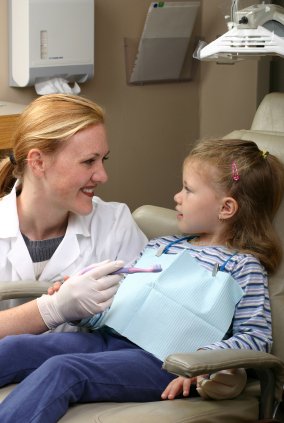
 Kids can get easily annoyed by routines; for most of a child’s life, they are told exactly what they should do, and it is easy for them to become numb to orders. However, routines are also very important for a child. Routines help a child develop and teach responsibility. To that end, it can be difficult to get your child to engage in good dental habits. They may not be eager to do something that takes a set amount of their time every day, so it is important to help them to establish good dental habits as soon as you can. Here are some tips that may prove to be useful in your household for when you are trying to get your children to maintain their dental hygiene.
Children should begin to learn brushing their own teeth when they are about three or four years of age. Before this point, you should help your child to get through brushing their teeth so that they can get used to the process. If all goes well in teaching your child good dental habits, you can expect for them to be able to maintain their hygiene without you nagging them by around age eight.
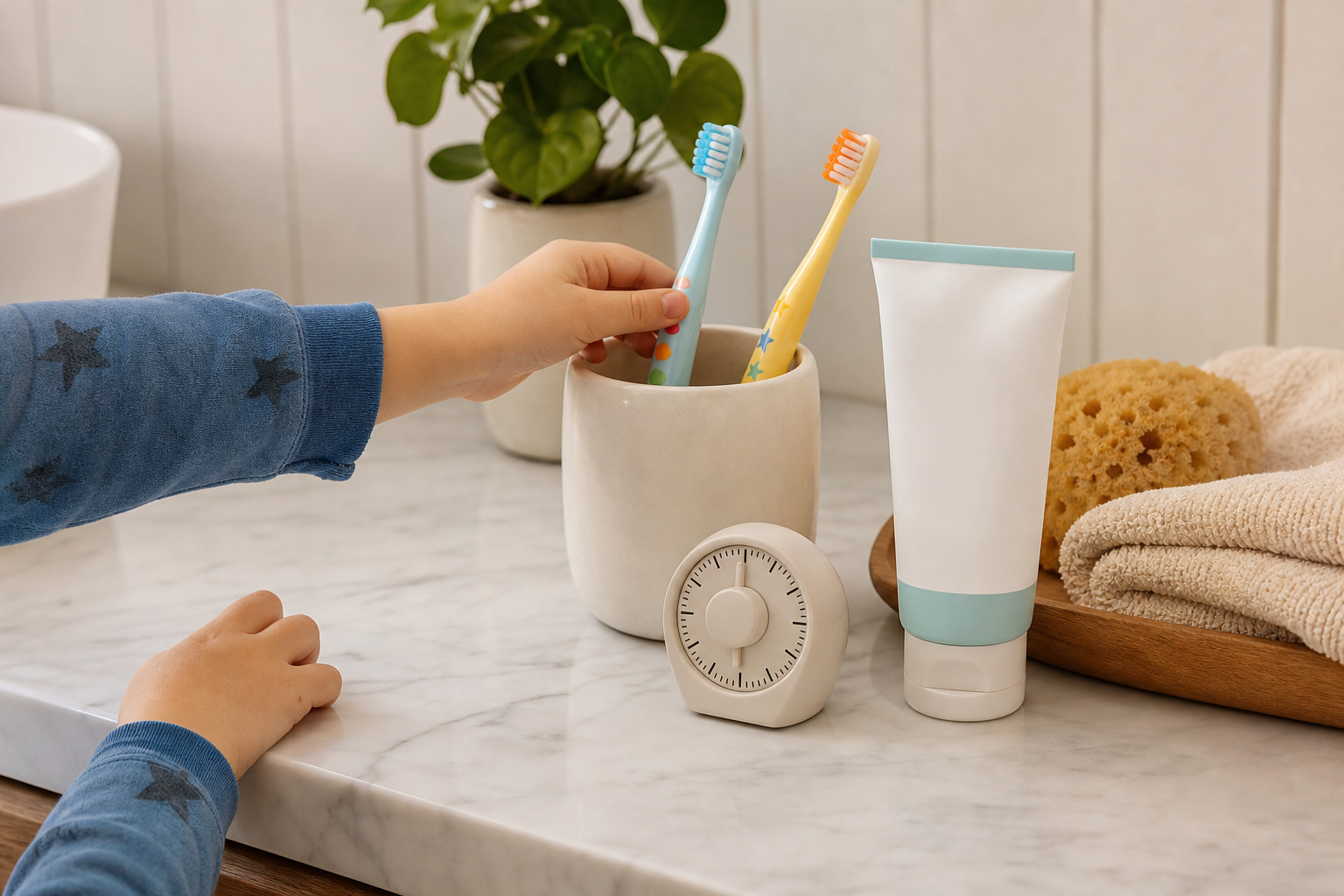
When a child is beginning to learn the proper way to brush their teeth, one of the best things that you can do for them is to brush your teeth right along side them. Go through the process slowly, showing your child each and every step that it takes, including rinsing the toothbrush, applying the toothpaste, brushing the teeth for the right amount of time, spitting, and rinsing. In this way, you can help them to establish the proper lengths of time that are required for brushing their teeth. Also, if you can show them that you are brushing your teeth at the same points every day, they will follow a ‘monkey see monkey do’ type of mentality that will hopefully stick with them for years to come.
What I try to do is get into a routine with my son and brush together with him. We also bought a flashing toothbrush to help him learn about how long he should brush. There are many little aids such as this that can help make learning to brush, and to brush properly a little more fun.
Making sure that your children brush their teeth for the proper length of time is another important thing to consider. As an alternative to the flashing tooth brush mentioned above, you may instead try purchasing an egg timer exclusively for use in the bathroom so that your child will take the time to clean each and every tooth effectively. Also, you could teach your child to hum a song while they brush your teeth so that the song length directly coincides with the length of time that they should be brushing.
Children often respond well to routines when they have a clear way of showing their progress. Consider placing a board in the bathroom that has a checklist of brush times for your child. Give them some fun and colorful stickers that they can place on the board when they have brushed their teeth, and they’ll be eager to ensure that the board stays full.
These are just a few steps that may be helpful when it comes to helping your child to establish the best brushing habits that they can. As a parent, it is your responsibility to make sure your child gets a good baseline going for the activities that they will have to perform for the rest of their lives.
The important thing is to try to make brushing a little bit fun and not a chore, this will help develop good dental habits and hopefully give your child healthy teeth and gums when they grow up.
When should children start brushing their own teeth?
Children can begin learning to brush their own teeth around ages three or four. Before that point, parents should brush alongside them and guide each step of the process. With consistent daily practice, most kids can maintain their own dental hygiene without reminders by around age eight.
How can I make brushing teeth fun for my child?
Brush your own teeth right alongside your child and walk through each step together so they can follow your lead. A flashing toothbrush that automatically times the session is a big hit with young kids. An egg timer works too, or teach your child to hum a favorite song for the duration. Reward charts with colorful stickers help kids feel proud of a full brushing record.
How long should my child brush their teeth?
Children should brush long enough to clean every tooth effectively. A flashing toothbrush with a built-in timer, a small egg timer dedicated to the bathroom, or a song your child hums while brushing can all help them hit the right duration without guesswork — and without a parent standing over them counting seconds.
How do I build a lasting dental hygiene habit in my child?
Start young, stay consistent, and make brushing feel like a normal part of the day rather than a battle. Brush at the same times each morning and evening so it becomes as automatic as getting dressed. Brushing alongside your child gives them a model to follow — the “monkey see, monkey do” effect is a powerful habit-builder at this age.

Latest posts by More4kids (see all)
- The Best Bedtime Stories for Kids, Grouped by Age - September 2
- Kids Jokes and Humor - August 27
- Parenting Teens: Helping Your Teenager Make Good Decisions - August 27