













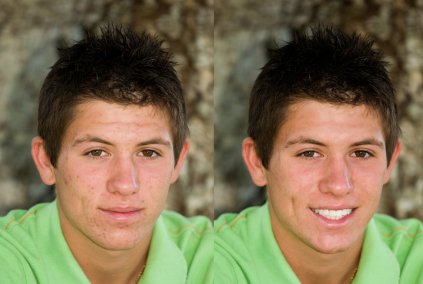
 It may seem trivial to some, but to a teenager, acne is a horrible affliction. While almost all teenagers get acne at one point or another, severe acne can lead to a negative body image and even severe depression. But don’t get worried; there are steps you can take to help your child get treated and start feeling better.
There are many myths floating around about acne. Your child may hear them at school or find them on the internet. To properly treat your teen’s acne, you need to learn the facts and share them with your child. Here are just a few facts you need to know:
What causes acne or makes it worse:
- Genetics
- Leaning on or touching skin
- Too much scrubbing
- Popping pimples
What hasn’t been document as an effect on acne but does contribute to overall health:
- Diet
- Stress
- Hair and oils
- Make up

You should teach your child proper skin care. It’s best to teach them before a problem develops, but later is better than never. Teach them to wash their face with a mild soap twice a day (and only twice a day. If they have an acne problem, offer to buy them over the counter acne face washes and treatments. Remember that no one product works for everyone and nothing works overnight. Encourage your child to be persistent.
If your child has no luck using the over the counter treatments, it’s a good idea to take them to a dermatologist. If you can’t afford it, talk to your regular doctor and see if there’s anything they can do. It may not seem important enough to you to warrant spending a lot of money on, but it’s probably very important to your teen. Again, most prescription medications take up to two months to work; so be patience.
The most important step in helping your child deal with acne is to start early. You may think it’s rude to step in and try to help if they only have a pimple or two, but many teens are too embarrassed to ask their parents for help. Getting treatment early could also prevent the condition from getting much more serious.
Acne can be hard for a teen to deal with, but your help can make it a whole lot easier.

What actually causes teen acne?
The documented causes are genetics, leaning on or touching your skin, scrubbing too hard, and popping pimples — all things that can be managed. Factors like diet, stress, hair oils, and makeup do affect overall skin health, but they haven’t been specifically confirmed to directly cause acne.
How should I teach my teenager to care for acne-prone skin?
Teach your teen to wash their face with a mild soap twice a day — not more. If acne is already an issue, OTC acne washes and spot treatments are a reasonable next step. Remind them that no single product works for everyone and nothing clears up overnight; persistence matters. Starting before a big problem develops is always better than waiting.
When should my teenager see a doctor about acne?
If OTC treatments aren’t making a dent after a fair trial, a visit to a dermatologist is worth it. If cost is a barrier, a regular doctor can help too. Prescription medications often take up to two months to show results, so patience is important. Your teen’s acne matters more to them than it may seem to you, so taking it seriously is the right call.
Can severe teen acne affect my child’s mental health?
Yes — and this is often underestimated by parents. Severe acne is strongly linked to negative body image and can even contribute to depression. Getting involved early, even when it’s just a few pimples, helps prevent the condition from becoming more serious both physically and emotionally. Many teens are too embarrassed to ask for help, so taking the first step as a parent can make a real difference.

Latest posts by More4kids (see all)
- The Best Bedtime Stories for Kids, Grouped by Age - September 2
- Kids Jokes and Humor - August 27
- Parenting Teens: Helping Your Teenager Make Good Decisions - August 27