














by Stacey Schifferdecker
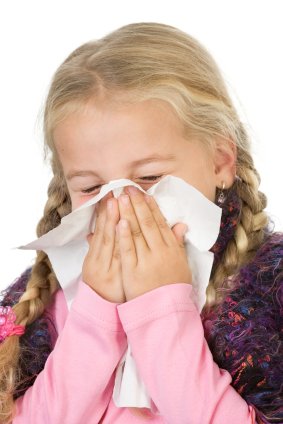 When I was a child growing up in Colorado, none of my friends had allergies or asthma. Now, as a parent in Oklahoma, most of my friends’ children suffer from some types of allergies. I’m sure the different climate accounts for some of the difference, but it is also a fact that allergic diseases have increased in Western countries over the last 20 to 30 years. Why are allergies on the rise and how can we deal with them?
Why are allergies on the rise in children?
Ironically enough, it may be the cleanliness of our lifestyles that are causing the rise of some allergies. If children are underexposed to minor environmental threats early in life, their immune systems do not develop properly and can overreact to perceived threats. This doesn’t mean you need to deliberately expose your children to dangerous viruses and bacteria. Simple childhood activities like playing in the dirt, building roads in a sandbox, rolling in the grass, and living with a pet can strengthen your children’s immune systems and help protect them from allergies.
Dealing with respiratory allergies in children
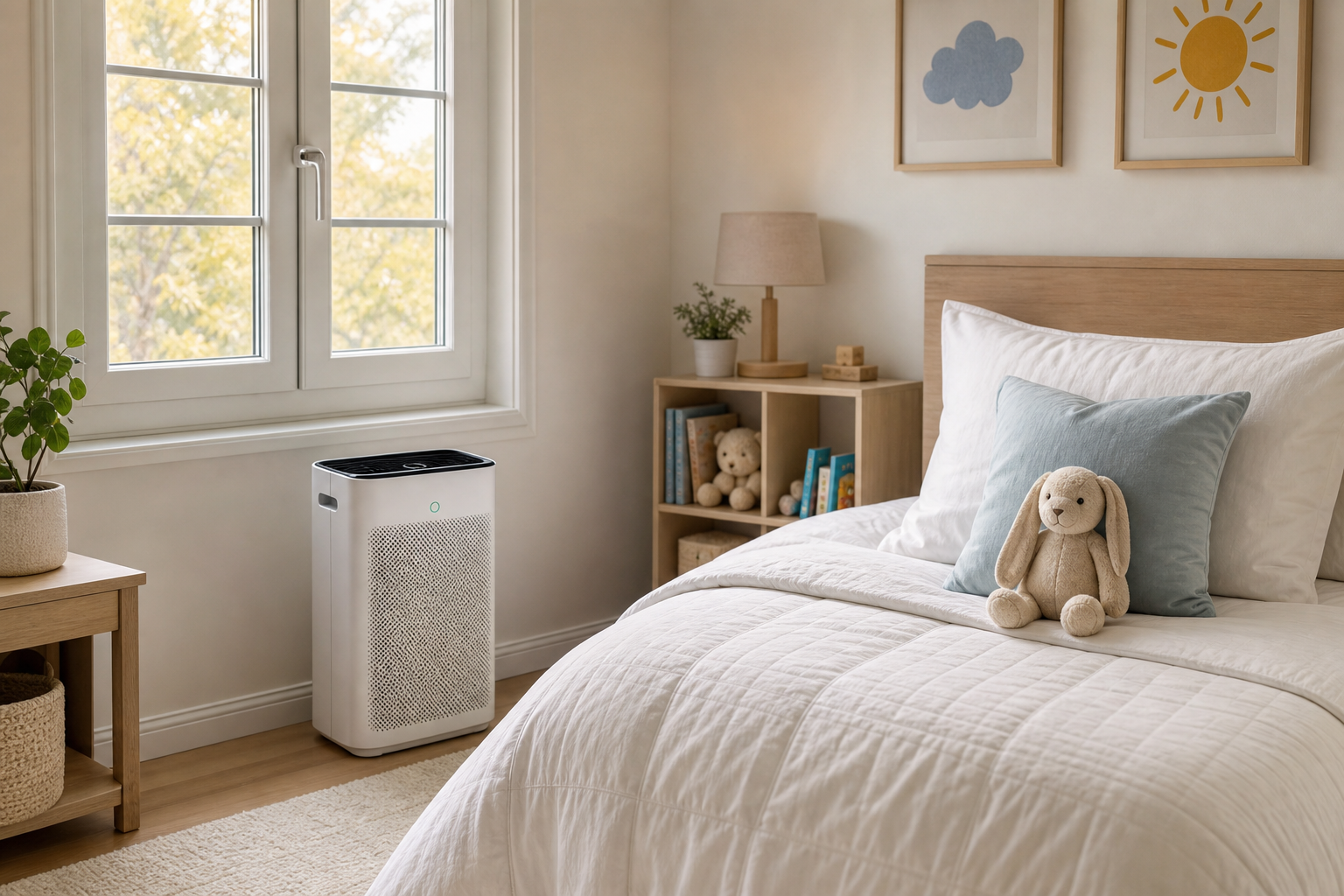
- Wash bedding and stuffed animals regularly in hot water to remove dust mites.
- Use impermeable mattress pads on all beds.
- Use a vacuum cleaner with a HEPA filter to trap small particles other vacuum cleaners miss.
- Clean heating ducts regularly
- Clean or replace furnace and air conditioning filters every month.
- Keep pets groomed and shampooed. Do not allow pets on the furniture.
- Use a dehumidifier in the winter and an air conditioner in the summer to keep air dry and prevent mold from forming.
- Give your child more oily fish, bananas and apple juice, which studies have linked to reduced allergies and asthma symptoms.
- Keep them indoors in the late morning and early afternoon, when pollen production is highest.
- Choose hard flooring, such as wood or tile, instead of carpet. Also choose wooden shutters instead of curtains.
- Has difficulty breathing
- Suddenly develops hives or swelling around the face and lips
- Has a cough or cold that lasts more than a week
- Has allergy symptoms that get worse for no apparent reason
Why are childhood allergies increasing?
Allergic diseases have risen in Western countries over the past 20 to 30 years, and the explanation may be counterintuitive: children who are underexposed to minor environmental threats early in life can develop immune systems that overreact to harmless things later. Normal childhood activities — playing in dirt, building sandcastles, rolling in grass, and living with pets — actually help strengthen immune systems and may reduce allergy risk.
How can I reduce allergy symptoms in my home?
Some practical steps: wash bedding and stuffed animals regularly in hot water to remove dust mites, use impermeable mattress pads, vacuum with a HEPA filter, clean heating ducts regularly, and replace furnace and AC filters monthly. Keep pets groomed and off furniture, use a dehumidifier in winter and AC in summer to prevent mold, choose hard flooring over carpet, and keep kids indoors during late morning and early afternoon when pollen levels peak.
What foods may help reduce allergy symptoms in children?
Studies have linked oily fish, bananas, and apple juice to reduced allergy and asthma symptoms in children. These are worth incorporating into your child’s regular diet. Before trying any over-the-counter allergy medications, always check with your physician first — especially for young children.
When should I take my child to the doctor for allergy symptoms?
Seek medical attention if your child has difficulty breathing, suddenly develops hives or swelling around the face and lips, has a cough or cold lasting more than a week, or has allergy symptoms that are worsening for no clear reason. These signs indicate the symptoms may be beyond what home management can handle and need professional evaluation.

Stacey Schifferdecker