














By Sophia Richards
I've been a parent for long enough to have collected a lot of advice — some of it golden, a lot of it useless, and a fair amount that only made sense years later. I'm a mom of three with very different temperaments, and before that I spent years as an early childhood educator, so I've watched these parenting tips land (and flop) from both sides of the table. What follows is the list I wish someone had handed me early on.
A word before you dive in: no two kids are the same, and not one of these will work on every child on every day. That's not the goal. The goal is a deep toolbox you can reach into when a particular kid, on a particular hard evening, needs something you haven't tried yet. Skim the headers, grab what fits, and leave the rest.
You'll notice a lot of these parenting tips echo what experts file under "positive parenting" — the CDC and the American Academy of Pediatrics' HealthyChildren.org say much the same thing. I've just tried to make this set of parenting tips sound less like a pamphlet and more like a friend who's been there.
Connection and communication
Table of Contents
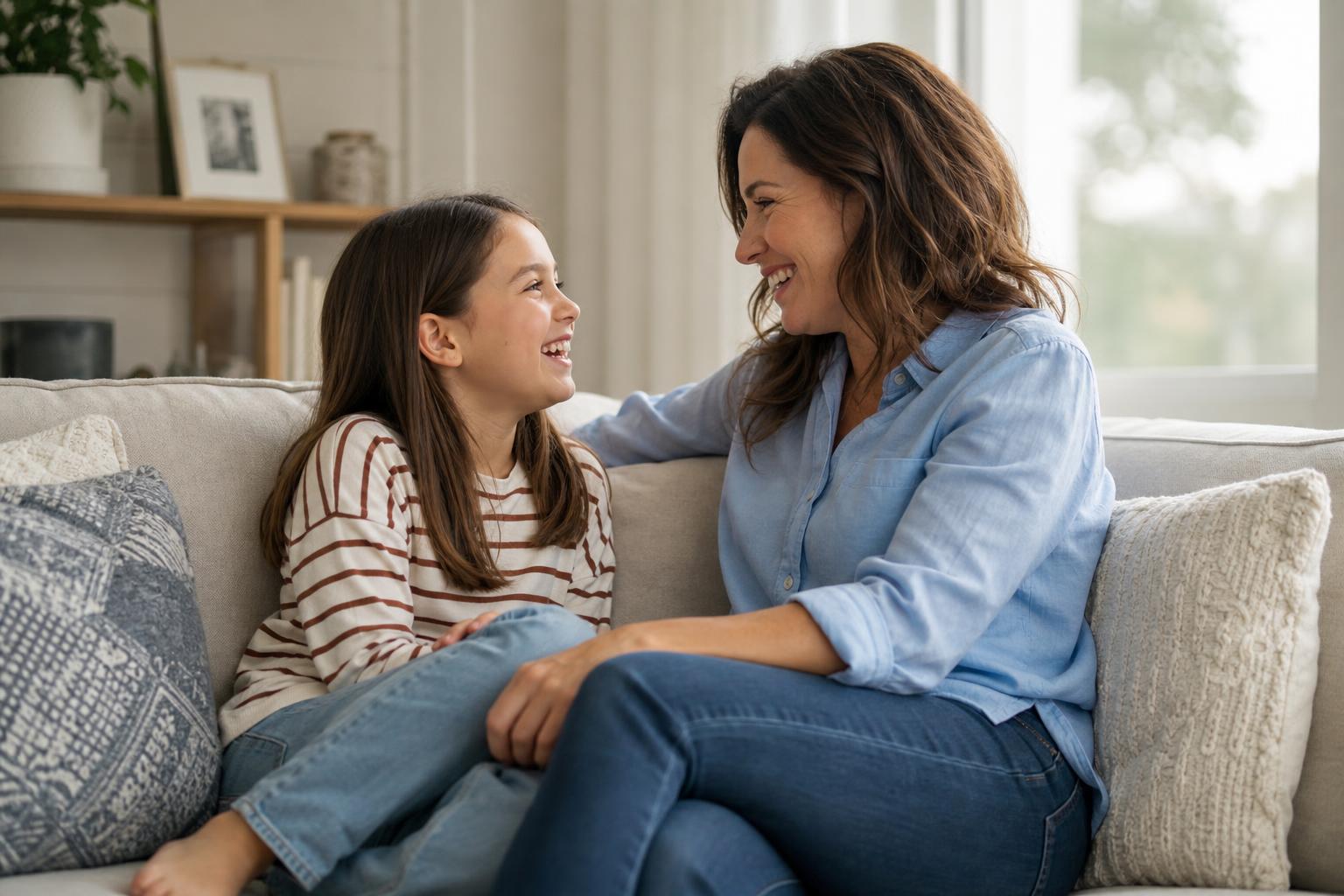
Almost everything else in parenting gets easier when a child feels genuinely seen, so these are the parenting tips I lean on first. Connection isn't a reward you hand out when behavior is good — it's the foundation that makes good behavior possible in the first place. Most days it isn't the big gestures that matter but the small ones: the eye contact, the unhurried question, the hug that comes out of nowhere. Kids who feel heard at home don't have to act out to get your attention. Start here, and a surprising number of the other struggles get quieter on their own.
1. Think before you speak. The words we say in a heated moment stick around far longer than the moment itself, so take the breath first.
2. Be the example, not just the rulebook. Kids absorb what we do about ten times faster than what we say.
3. Listen, catch, and redirect. Hear the feeling underneath the behavior, then gently steer toward something better.
4. Get down to their eye level. A conversation at their height feels like teamwork instead of a lecture.
5. Say "I love you" out loud, often. Don't assume they just know it — the words themselves do real work.
6. Be spontaneously affectionate. A random hug or a "thinking of you" note costs nothing and lands huge.
7. Ask about their world. What they care about — the game, the friend, the dragon — is your fastest route in.
8. Validate the feeling before you fix the problem. "That's really frustrating" opens a door that "calm down" slams shut.
9. Put the phone down when they talk. Undivided attention is one of the most generous things you can give a kid.
10. Let them finish. Hearing their whole point of view, even when you disagree, teaches them their voice matters.
11. Narrate the good stuff. "You shared without being asked" makes kindness visible and repeatable.
12. Apologize when you blow it. A sincere "I'm sorry, I was wrong" models exactly what you want from them.
13. Have a few unhurried minutes a day. Bedtime, the car, the dishes — small windows where you're just with them.
14. Tell the truth in kid-sized pieces. Honesty builds trust; you can be truthful without overloading them.
Discipline that actually works
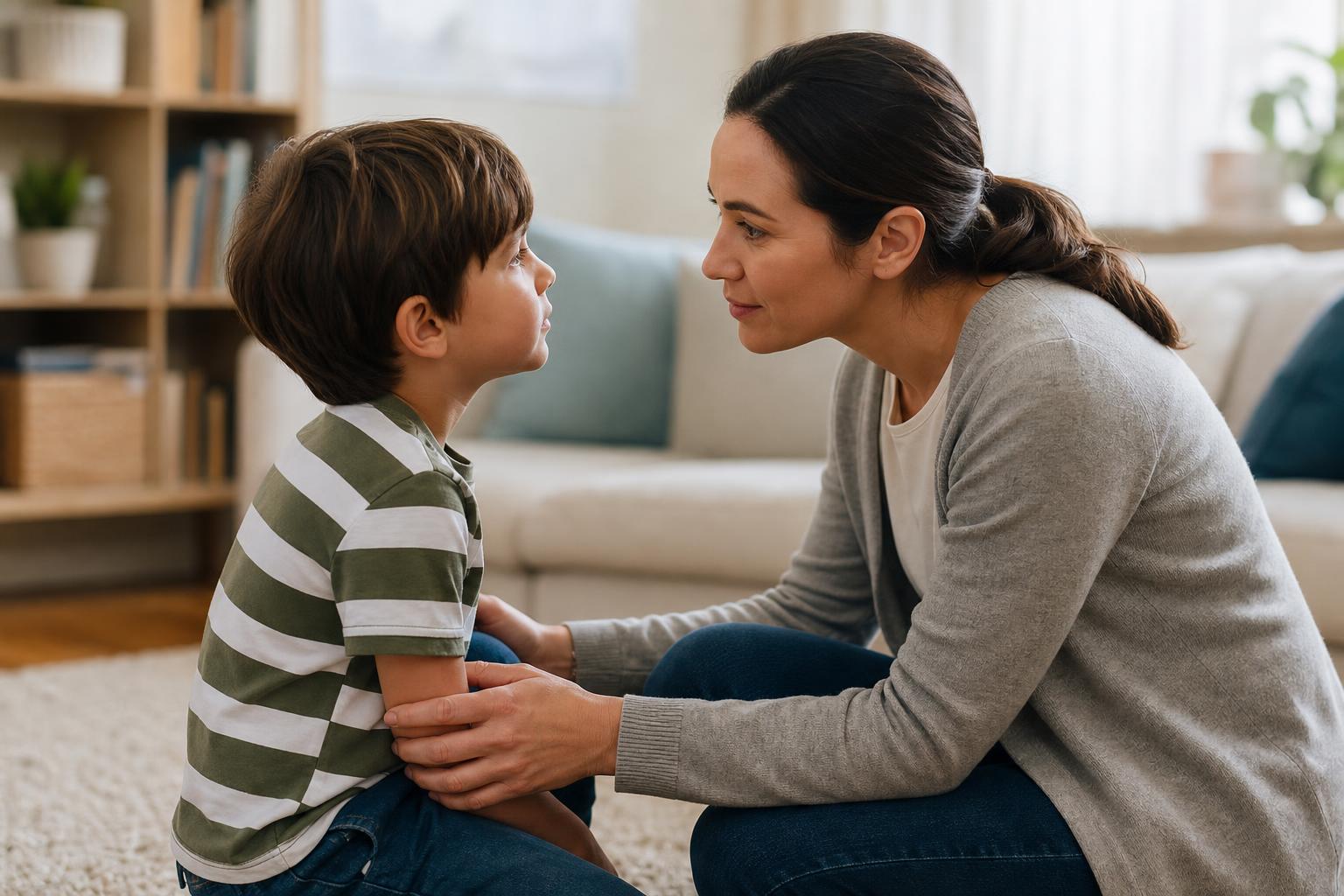
Discipline is teaching, not punishing — and the best parenting tips in this area all aim at the long game: a kid who can eventually run their own behavior without you hovering. That shift takes patience, because teaching is slower than threatening, and the real payoff shows up months down the road rather than tonight. The goal isn't a child who obeys out of fear; it's one who understands why the limit exists. Stay calm, stay consistent, and let the consequences do the teaching instead of your raised voice. For the deeper how-to, our guide to gentle, practical discipline goes further.
15. Address the behavior, not the child. "That hitting wasn't okay" protects the kid while correcting the act.
16. Keep consequences concrete and connected. A consequence that relates to the choice teaches; a random one just stings.
17. Mean what you say. Follow-through is the whole ballgame — empty threats train kids to ignore you.
18. Pick your battles. Save your firm "no" for what truly matters so it still carries weight.
19. Stay calm when they're not. Your steadiness is contagious; so is your panic.
20. Offer the choice, not the ultimatum. "Shoes first or coat first?" gives control inside your boundary.
21. Warn before transitions. "Five more minutes" prevents half the meltdowns of the day.
22. Be consistent between caregivers. Kids feel safest when the rules don't change with the grown-up in charge.
23. Let natural consequences teach. Forgotten homework or a cold-because-no-coat lesson sticks better than a lecture.
24. Catch them being good. Attention is fuel — aim it at the behavior you want more of.
25. Don't discipline in front of an audience. A quiet word to the side protects their dignity and your message.
26. Repair after the storm. Once everyone's calm, reconnect — discipline shouldn't cost the relationship.
27. Explain the "why." A reason a child understands is a rule they can eventually own.
28. Give them a do-over. "Want to try that again?" turns a mistake into practice instead of shame.
Everyday routines and responsibility
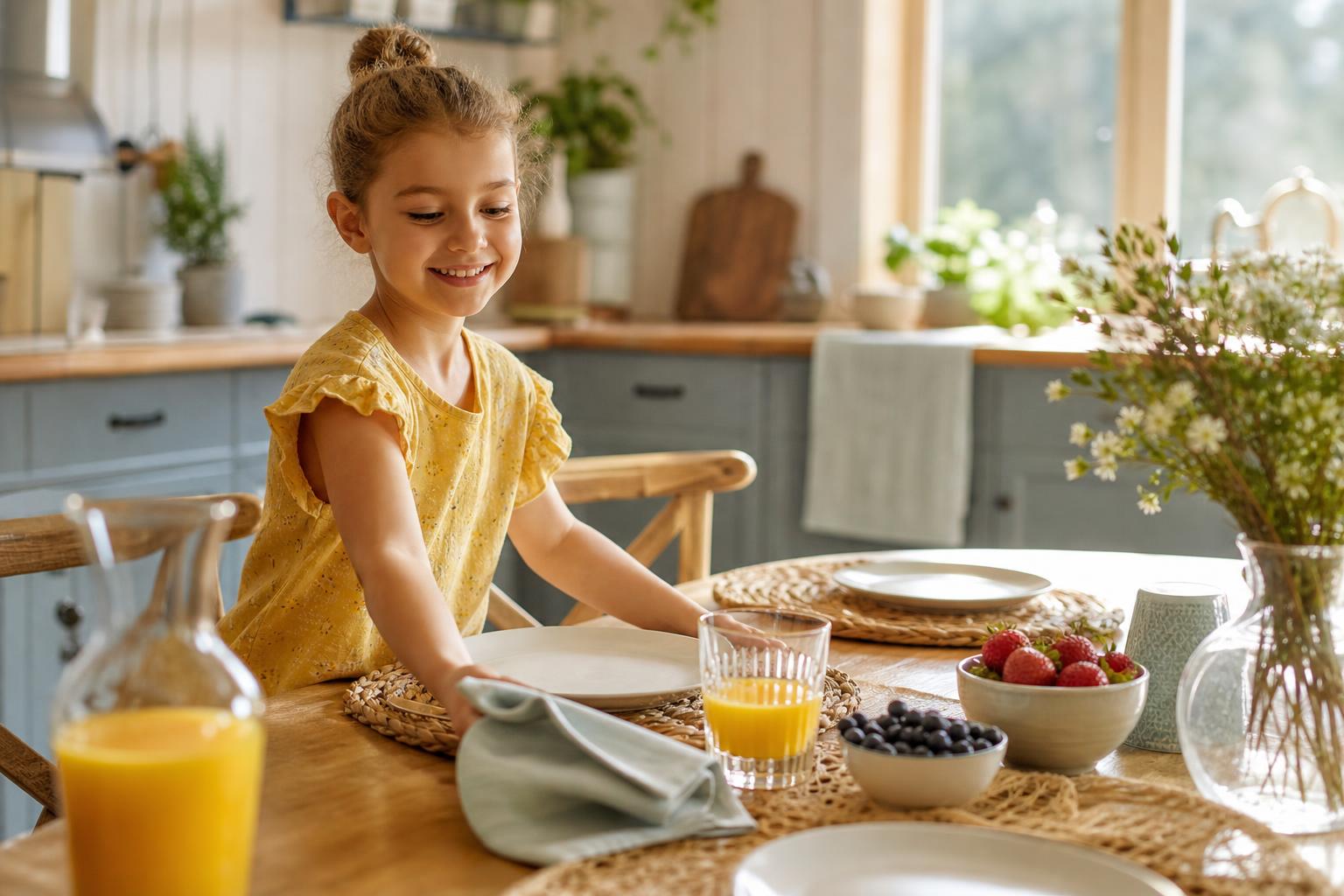
Predictable rhythms do more heavy lifting than any amount of nagging, which is why so many practical parenting tips come back to routine. When kids know what comes next, the daily negotiations shrink and everyone's nervous system settles a little. Responsibility grows in the same soil: small, real jobs that quietly tell a child, "you're a capable part of this family." It feels slower at first — a four-year-old "helping" with the laundry is not exactly efficient — but you're building competence, not folding towels. A steady daily routine is the quiet backbone of a calmer house.
29. Anchor the day with routines. Same wake-up, meals, and bedtime means fewer negotiations and fewer surprises.
30. Make bedtime predictable. A wind-down sequence signals the body it's time to settle.
31. Give age-appropriate chores. Real contribution builds competence and belonging, not just tidy floors.
32. Let them do the hard thing themselves. Resist rescuing; struggle is where capability grows.
33. Use visual schedules for little ones. A picture chart beats a hundred reminders.
34. Prep the night before. Clothes, bags, and lunches ready means mornings stop being a battle.
35. Build in downtime. Unscheduled hours aren't wasted — they're where kids recharge and imagine.
36. Keep mealtimes screen-free when you can. The table is prime connection time hiding in plain sight.
37. Teach money early. Even small allowances plant big lessons — here's how to teach kids about money.
38. Let them help, even when it's slower. The "help" that doubles the time is an investment, not a delay.
39. Set clear expectations up front. Kids meet the bar better when they can see where it is.
40. Protect sleep fiercely. A rested kid is a different — and far easier — kid.
41. Limit the rush. A little buffer time prevents a lot of frayed tempers, yours included.
42. Create a launch pad. One spot for shoes, bags, and keys saves the daily scramble.
Emotional intelligence and big feelings
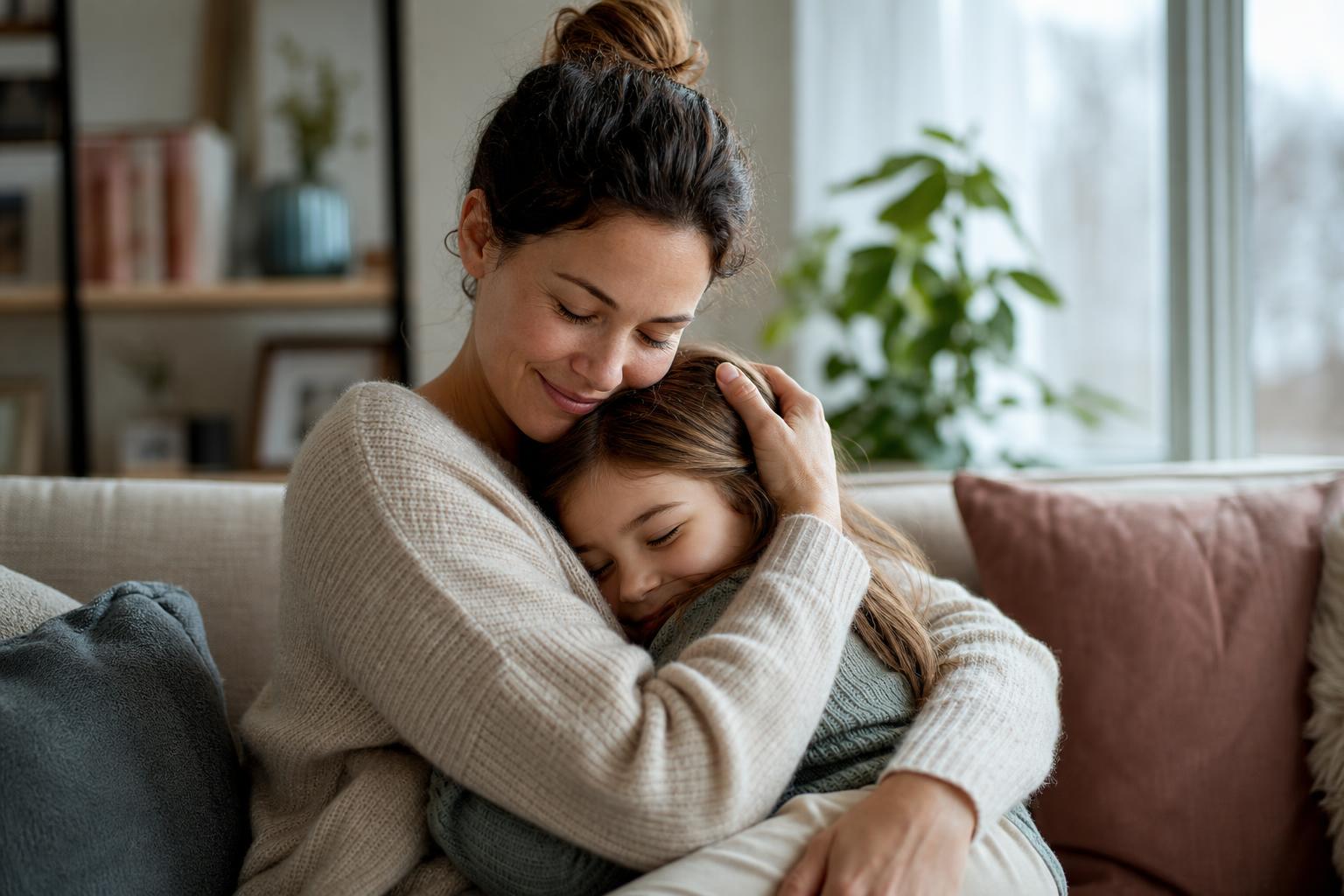
The kids who learn to name and manage feelings become adults who can, so these parenting tips are really about handing them tools they'll use for life. Big feelings aren't misbehavior — they're a child working out something too large for their words yet. Your job isn't to make the feeling disappear; it's to stay steady beside it until the storm passes. When you treat anger, sadness, and fear as normal and survivable, your child slowly learns that they are too. When the feelings get really big, our guides to helping an anxious child and toddler tantrums dig deeper.
43. Name the feeling. "You seem disappointed" hands a kid the language to handle it.
44. Let all feelings be okay, not all behaviors. Anger is fine; hitting is not — make the line clear.
45. Stay close during a meltdown. Your calm presence is the lifeboat, not a reward for bad behavior.
46. Teach the pause. A few deep breaths before reacting is a skill they'll use for life.
47. Don't rush to fix every sad moment. Sitting with discomfort builds resilience.
48. Read the behavior as a message. A kid acting out is often a kid struggling with something they can't say.
49. Model your own regulation. "I'm frustrated, so I'm taking a minute" shows them how it's done.
50. Praise effort over outcome. "You worked so hard" builds grit; "you're so smart" builds fragility.
51. Let them feel bored. Boredom is the doorway to creativity — don't always rescue them from it.
52. Normalize mistakes. A home where it's safe to fail is a home where kids dare to try.
53. Tell them tomorrow is a fresh start. Every day a clean slate keeps shame from piling up.
54. Notice the quiet kid too. The one not making noise sometimes needs you most.
55. Give worries a container. A "worry time" or a journal keeps anxious thoughts from running the show.
56. Celebrate small wins. Progress noticed is progress repeated.
School, learning, and screens
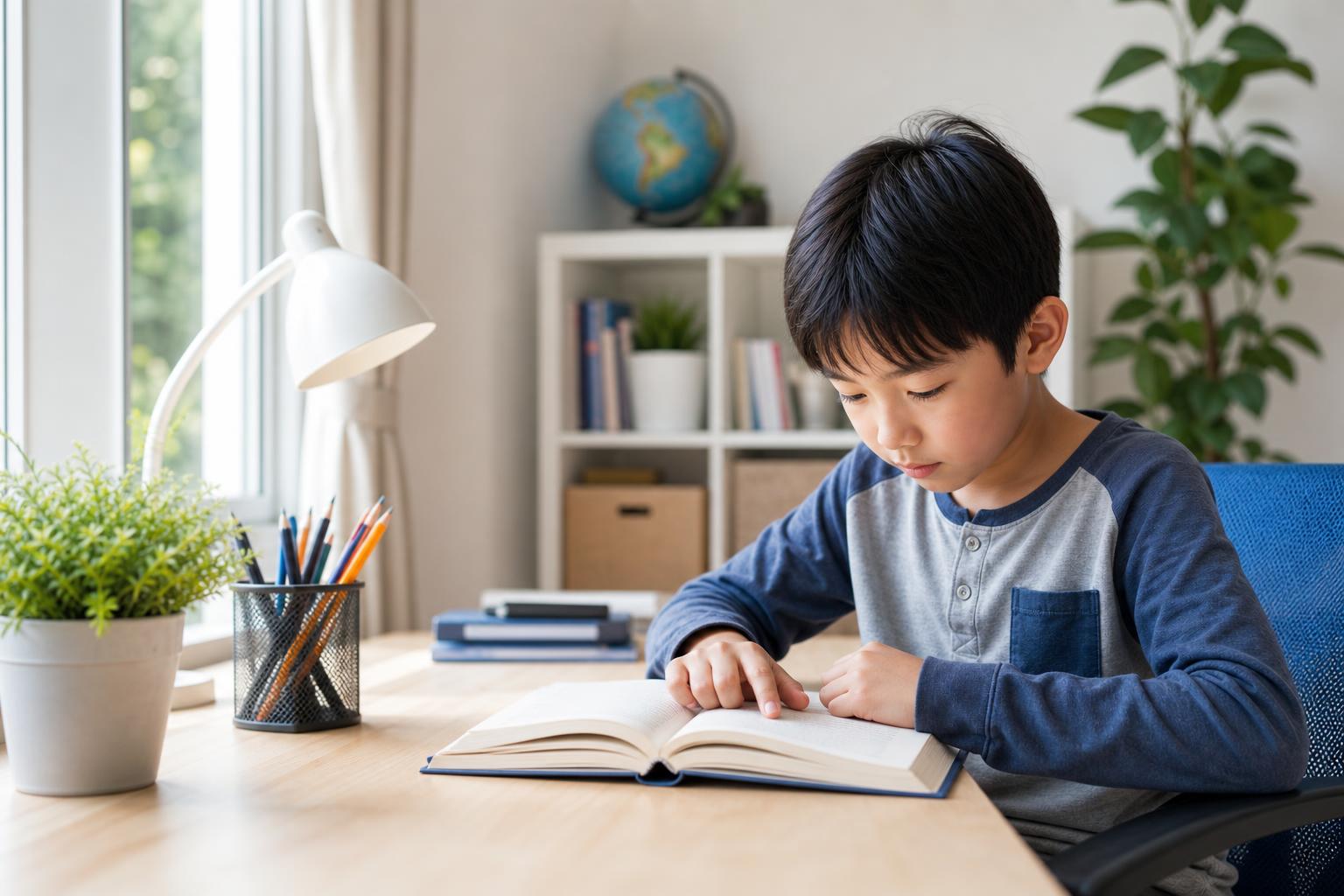
You're your child's first and most lasting teacher, and the parenting tips here are about supporting the learning without quietly taking it over. The aim is a kid who owns their own work and curiosity, not one who waits for you to swoop in and finish it. That means coaching the thinking, protecting their focus, and setting screen limits with intention instead of guilt. Learning sticks best when it feels like discovery rather than a chore, so follow what genuinely lights them up. A little structure plus a lot of encouragement goes much further than any worksheet.
57. Support schoolwork — don't do it for them. Coach the thinking and ask the guiding questions; let the work itself stay theirs.
58. Read together, every day if you can. Shared books build vocabulary, closeness, and a lifelong reader.
59. Make a calm homework spot. A consistent, low-distraction place removes half the friction.
60. Follow their curiosity. When a kid is interested, learning stops feeling like work.
61. Get involved at school. Knowing their teachers and world helps you spot trouble early.
62. Set screen limits with intention. Decide the boundaries before the begging starts, and hold them kindly.
63. Watch and play together sometimes. Co-viewing turns screen time into shared time.
64. Praise the process of learning. "You figured that out" beats "you got an A."
65. Keep tech out of bedrooms at night. Sleep and screens don't share well.
66. Let them be bored before they're entertained. A device shouldn't be the default cure for downtime.
67. Talk about what they see online. Curiosity and openness beat surveillance every time.
68. Encourage one real-world hobby. Something hands-on and screen-free anchors them.
69. Model your own screen habits. They're watching how you use the phone, too.
70. Make space for unstructured play. It's not a break from learning — it is learning.
Play, fun, and staying close

The relationship is the foundation everything else is built on, so don't skip the parenting tips that are really just about having fun together. Play is how kids feel close to you — it's connection wearing a disguise. It doesn't have to be elaborate; the silly, the spontaneous, and the small standing rituals are what they'll actually remember. The years are long but the seasons are short, and most of childhood happens in the ordinary moments, not the big outings. Keep it warm, keep it light, and keep showing up for the everyday stuff.
71. Play on their terms sometimes. Following their game, their rules, says "you matter."
72. Be silly. Laughter resets a tense house faster than almost anything.
73. Build small traditions. Friday pizza, a secret handshake — the little rituals are the glue.
74. Get outside together. Fresh air and movement are good medicine for everyone's mood.
75. Keep a few great bedtime stories in rotation. The nightly read is connection disguised as routine.
76. Say yes when you can. Saving "no" for what matters makes the yeses feel generous.
77. Let them lead an adventure. A kid-planned outing, however chaotic, builds confidence.
78. Put down the camera sometimes. Some moments are better lived than filmed.
79. Cook together. The kitchen teaches math, patience, and pride, one mess at a time.
80. Welcome their friends in. A home where friends gather is a home you stay connected to.
81. Have one-on-one time with each kid. Especially with siblings, solo attention is gold.
82. Make ordinary days count. The errands and the car rides are where most of childhood actually happens.
Taking care of you, the parent

You can't pour from an empty cup, and a depleted parent is the one tip everyone skips — so these parenting tips are aimed squarely at you. Looking after yourself isn't selfish; it's basic maintenance on the person your whole family leans on. A rested, supported parent has more patience, and patience is the currency most parenting moments are paid in. Lower the bar from perfect to good enough, ask for help without apologizing for it, and hold onto something that's just yours. Your kids are watching how you treat yourself, too — and that's a quiet lesson all on its own.
83. Lower the bar from perfect to good enough. "Good enough" parenting is, genuinely, good enough.
84. Ask for help without guilt. It takes a village; let yours show up.
85. Protect a little time for yourself. A refilled parent is a more patient one.
86. Tag-team with your partner. Trade off so neither of you runs on empty.
87. Drop the comparison. The highlight reels you scroll past aren't the real story.
88. Forgive yourself the bad days. You'll have them; they don't define you or your kid.
89. Find your people. Other parents who get it are a lifeline, not a luxury.
90. Keep something that's just yours. A hobby or a walk reminds you you're a whole person.
91. Model self-respect. Kids who watch a parent set healthy limits learn to set their own.
92. Remember it's a phase. The hard stage you're in right now will, truly, pass.
Parenting tips by age and stage
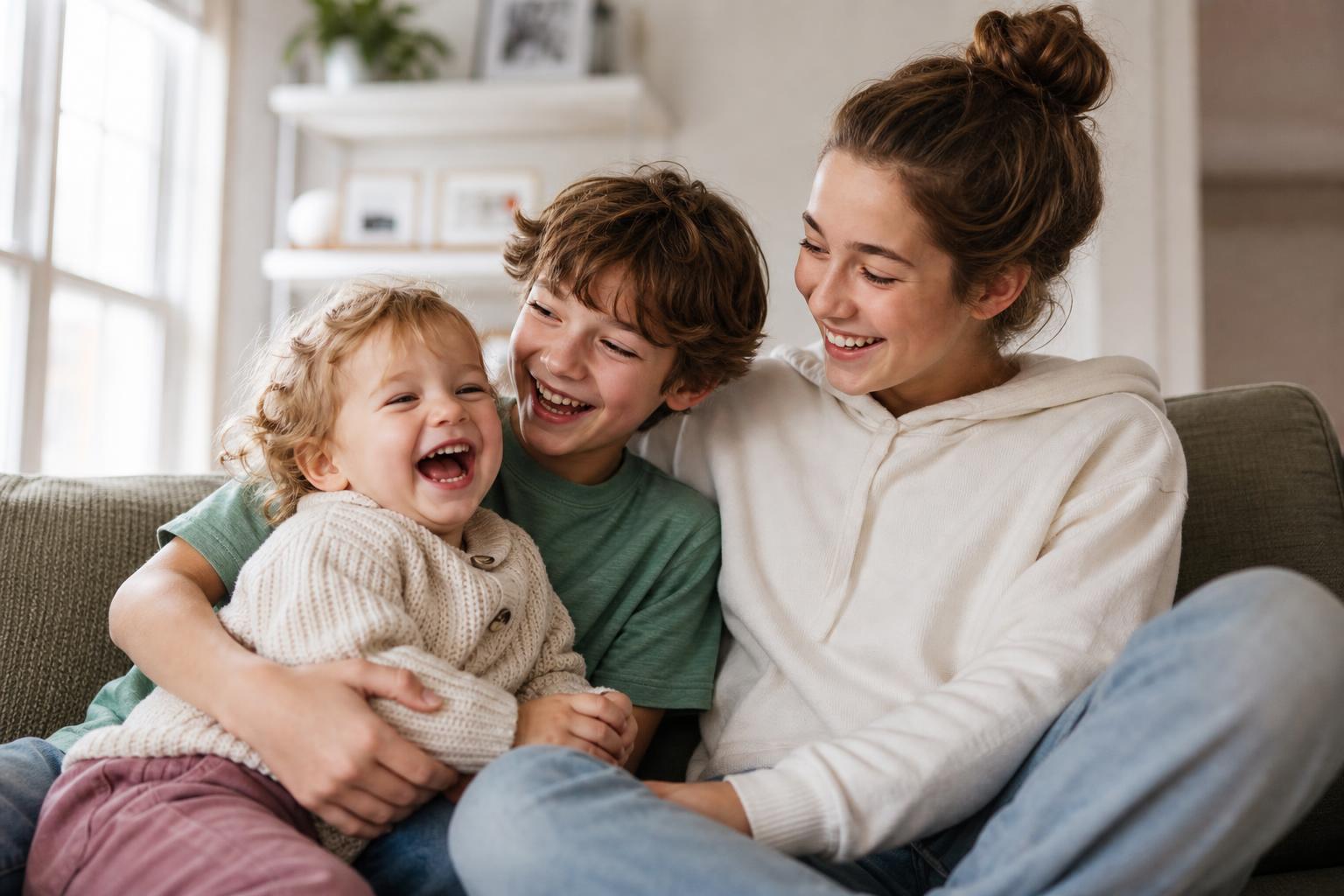
The same principles flex as kids grow, so the final set of parenting tips is sorted by age and stage. A two-year-old and a fourteen-year-old need very different things from you on the surface, even though the bedrock — connection, consistency, calm — never really changes. What shifts is how you apply it: more hands-on with the little ones, more hands-off (but still close) as they stretch toward independence. Meet them where they actually are, not where the parenting book says they should be. A few tips that change the most with the years:
93. Toddlers: offer two good choices. Control inside your boundary heads off the power struggle.
94. Toddlers: childproof, then relax. A safe space means fewer "no"s and more exploring.
95. Preschoolers: play it out. Pretend is how they process the whole big world.
96. School-age: let responsibilities grow. Trust them with a little more as they show they're ready.
97. School-age: keep talking, even about hard things. The habit you build now pays off in the teen years.
98. Tweens: respect the growing need for privacy. Stay close without hovering.
99. Teens: stay curious, not controlling. Questions keep the door open that judgment slams shut.
100. Teens: hand over real independence in steps. Practice driving the car while you're still in the passenger seat.
101. Every age: keep showing up. Consistency over time — not any single perfect moment — is what they remember.
Keep these parenting tips handy
Nobody uses all 101 of these parenting tips at once, and you absolutely shouldn't try. Pick two or three that speak to where your kid is right now, give them a real shot for a couple of weeks, and notice what shifts. Bookmark this page and circle back when the season changes — because it will, and a parenting tip that meant nothing last year might be exactly what you need next.
The best parenting advice I ever got fits on a sticky note: be warm, be consistent, and keep showing up. The other hundred parenting tips on this list are really just different ways of doing those three things well.
FAQ
What are the most important parenting tips for a new parent?
Start with connection and consistency. Respond warmly, keep daily routines predictable, model the behavior you want to see, and take care of yourself too. Almost everything else grows from those roots.
How do I use 101 parenting tips without feeling overwhelmed?
Don't try to use them all. Skim the section that matches your current struggle, pick two or three tips, and practice just those for a couple of weeks. Parenting is a long game — small, steady changes beat big overhauls.
Do these parenting tips work for toddlers and teenagers?
Yes — the core principles (connection, consistency, calm, and clear limits) hold at every age; only the application changes. The "By age and stage" section above shows how a few of them flex from the toddler years through the teens.
Are these tips from parenting experts?
They're written parent-to-parent from years of real family life and early-childhood teaching experience, not as medical or psychological advice. Every child is different — for concerns about development, behavior, or mental health, your pediatrician is always the right call.
Watch: A Few Parenting Tips in Action
Before you go, here is our own short video walking through a handful of these parenting tips in real life — sometimes it helps to see them rather than just read them on a list.



Brilliant list.
Good parenting is all about listening, watching, guiding, encouraging, sharing, belief, respect, having fun, remembering and positive language. It’s also about learning from others.
Treat your children fairly not equally.
Beautiful list. As the parent of a 6 month old I think the most relevant ones are patience and encouragement.
For pregnancy and a newborn baby, listen to the truckloads of advice and then make your own mind up. And always ask your doctor or health advisor about EVERYTHING. Sometimes what your nanna tells you is badly outdated.
This is a brilliant list.
I think I will agree with everything john said. 🙂
Respect them and they will respect you.
Amazing list! These are very helpful tips that could help any new parent. Its a lot to take in all at once.. but so is parenting. Reading over this list on occasion would be a wise idea when going through difficult parenting moments.
excellent list… also tell you children how important they are to you. It’s a wonderful thing to hear. A child that knows this will grow up with good feelings about themselves…. and Hug your children!
The list never ends! probably because we as parents never stop learning. Here’s a few more…laugh together, eat together, watch together but know when to let go
Teach them the importance of compassion
though i’m not a parent (yet) I can’t wait to become one! the list pretty muh says it all! One thing it should say though is don’t alwasy treat your kids like your parents treated you!