








By Sophia Richards
The importance of play is easy to underestimate. In my house, the best learning often looks like a mess on the living room floor.
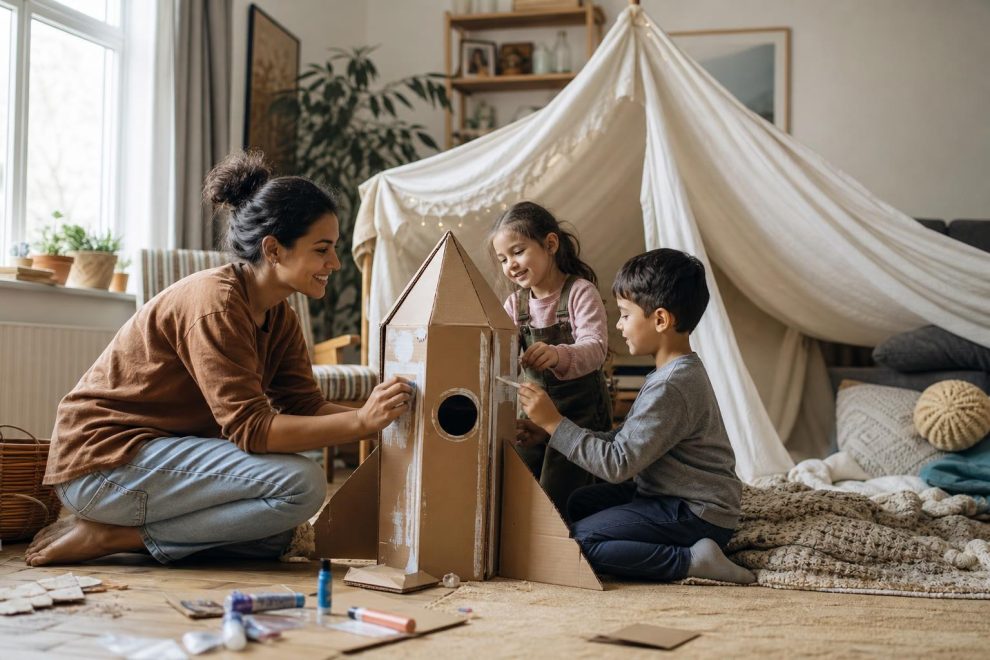
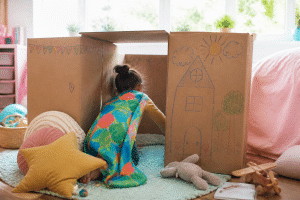
A blanket turns into a fort. A cardboard box becomes a rocket, then a shop, then a boat. My three kids can take a pile of couch cushions and build a whole restaurant before I’ve finished my coffee. From where I’m standing, it’s noise and clutter and one more thing to tidy before dinner.
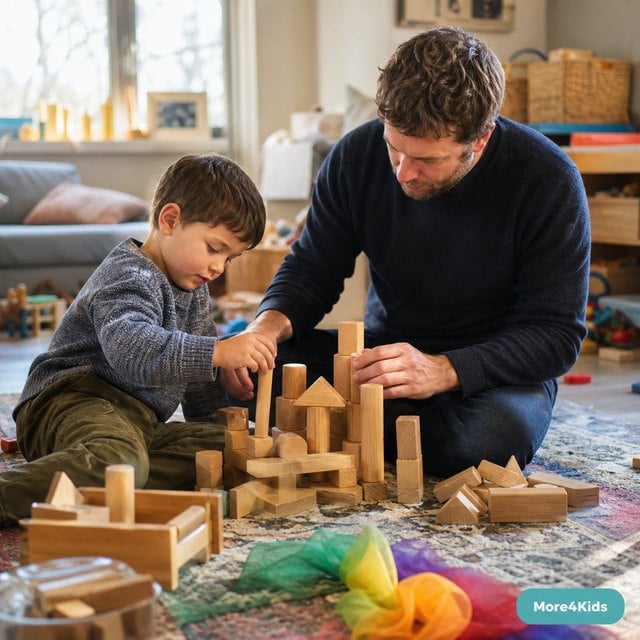
But play isn’t wasted time. The importance of play is easy to miss when it looks like mess, yet it’s how kids test ideas, solve problems, move their bodies, and figure out what they love.
I have three kids with very different speeds. One would happily build for an hour. One needs a nudge to start. After years in early childhood classrooms, I still have to remind myself of one thing. Not every hour has to become a lesson.
Play Comes in More Shapes Than We Think
Table of Contents
Ask most of us to picture play and we see the same thing. Toys on the floor. Kids running in the yard.
It’s wider than that.
Free play lets a child invent the rules. Structured play hands them a game or a puzzle with a little shape to it. Solo play follows one kid’s imagination. Group play asks them to share space and patience, which is its own workout.
None of it has to look impressive to count. That is part of the importance of play: it works even when it looks like nothing.
When my youngest lines up toy cars, it can look like nothing. Really, there’s sorting going on. Pretending. A quiet kind of order that feels good. A child digging in the dirt is learning texture and cause and effect. Two kids inventing a game are practicing negotiation long before they could spell it.
The American Academy of Pediatrics clinical report on the power of play ties play to social, emotional, language, and self-control development. That doesn’t mean we turn play into a project. It means ordinary play already does the work.
The Importance of Play Deserves a Spot on the Schedule
Modern family life can make open time feel almost suspicious.
If a kid isn’t in a program, finishing homework, or doing something “productive,” I catch myself wondering if they’re wasting the afternoon.
I have to talk myself down. Free play isn’t the opposite of growth — the importance of play is part of it.
Kids need pockets in the day to build, pretend, collect, and try again. Those pockets get messy. They also get wildly creative.
We already lean on a summer routine with flexible anchors, so I just make play one of the anchors. It doesn’t eat the whole day. It gets a real place in the rhythm. Mine looks something like this:
- outside play after breakfast
- quiet solo play after lunch
- sibling or neighbor play before dinner
- a family game after cleanup
Nothing packed. Just enough predictability that play happens before screens or errands swallow every open minute.
“I’m Bored” Isn’t an Emergency
The “I’m bored” chorus usually lands at the worst time in my house. Dinner needs to start. Work isn’t done. Everyone is a little frayed.
I get the urge to fix it fast.
But boredom isn’t always a problem to solve. Sometimes it’s the dull moment right before a kid remembers how to begin.
That doesn’t mean leaving them to flounder. My little one needs a couple of choices. My older one needs limits on screens. Inside that, though, I try to give boredom a few minutes of breathing room before I rush in.
When I do step in, it’s usually with a tiny menu, not a full plan:
- build something
- draw something
- make an obstacle course
- read or listen to a story
- play outside
- invent a game with three objects
- help make a snack
Then I walk away for a bit. In my classroom years, kids almost always needed the first nudge more than the whole script. Keep the materials simple and the boundary clear, and the play becomes theirs.
The Best Toys Don’t Do the Work
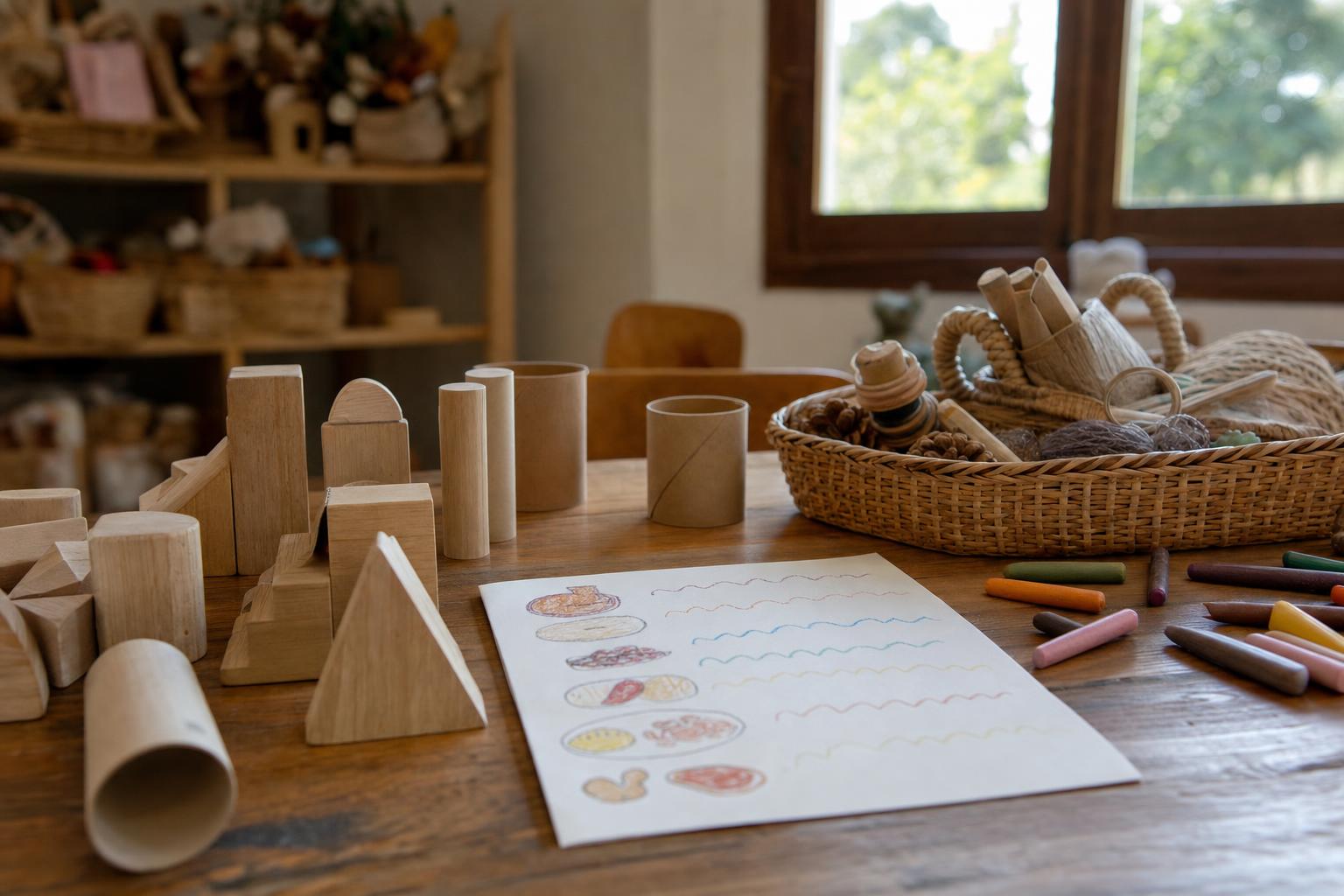
Some toys do all the imagining for the child. The good ones leave room for the kid to do it.
I keep a basket of open-ended stuff by the back door. Nothing fancy:
- blocks
- cardboard boxes
- scarves and fabric scraps
- paper and crayons
- sticks, leaves, and rocks
- pots, spoons, and measuring cups
- dress-up clothes
- toy animals and figures
You don’t need a Pinterest playroom. A small basket goes a long way.
With open-ended materials, there’s no single right answer. The tower falls and becomes a zoo. The box turns into a cave. The blanket fort becomes a reading nook by lunch. That kind of free play hands kids real decisions. It also lets me watch without taking over, which is harder than it sounds.
Play Is Also How We Connect
Free play isn’t only about kids doing their own thing. It’s one of the easiest ways we stay close, and a quiet piece of the importance of play.
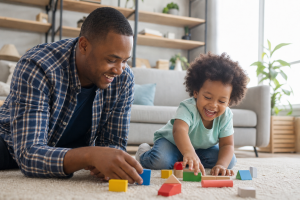
On a wrung-out day, I can’t run a big activity. I can sit on the floor for ten minutes and let a kid lead. When two of mine have been snippy all morning, I skip the forced teamwork. Parallel building, side by side, goes better. And when we’re all stuck inside, I reach for inexpensive family summer activities that are simple enough to actually happen.
Play with more than one kid brings the negotiating:
- Who goes first?
- What are the rules?
- What happens when someone changes the game mid-stream?
- How do we restart when it falls apart?
These aren’t peaceful moments. Mine argue, quit, and circle back. That’s the practice, not a detour from it.
Stronger sibling relationships grow slowly, through a hundred small chances to share and feel treated fairly. Play offers a lot of those chances, as long as I keep my expectations honest and safety in view.
You Don’t Have to Make It Educational
The fastest way I drain the joy out of play is to hover with a mental checklist.
It’s fine to notice what they’re practicing. It’s fine to choose toys with care. But the importance of play doesn’t depend on turning every game into a lesson.
If my kid is running a pretend restaurant, I don’t turn it into math. If she’s stacking a tower, I don’t narrate engineering. If they’re making mud pies, I don’t list the sensory benefits out loud.
Sometimes my whole job is to keep the space safe and enjoy the view into their heads.
HealthyChildren.org puts it plainly: fun and games help children thrive. The word “fun” is the point. Play is allowed to feel good.
A Gentle Place to Start
If play has been squeezed out of your week, start small.
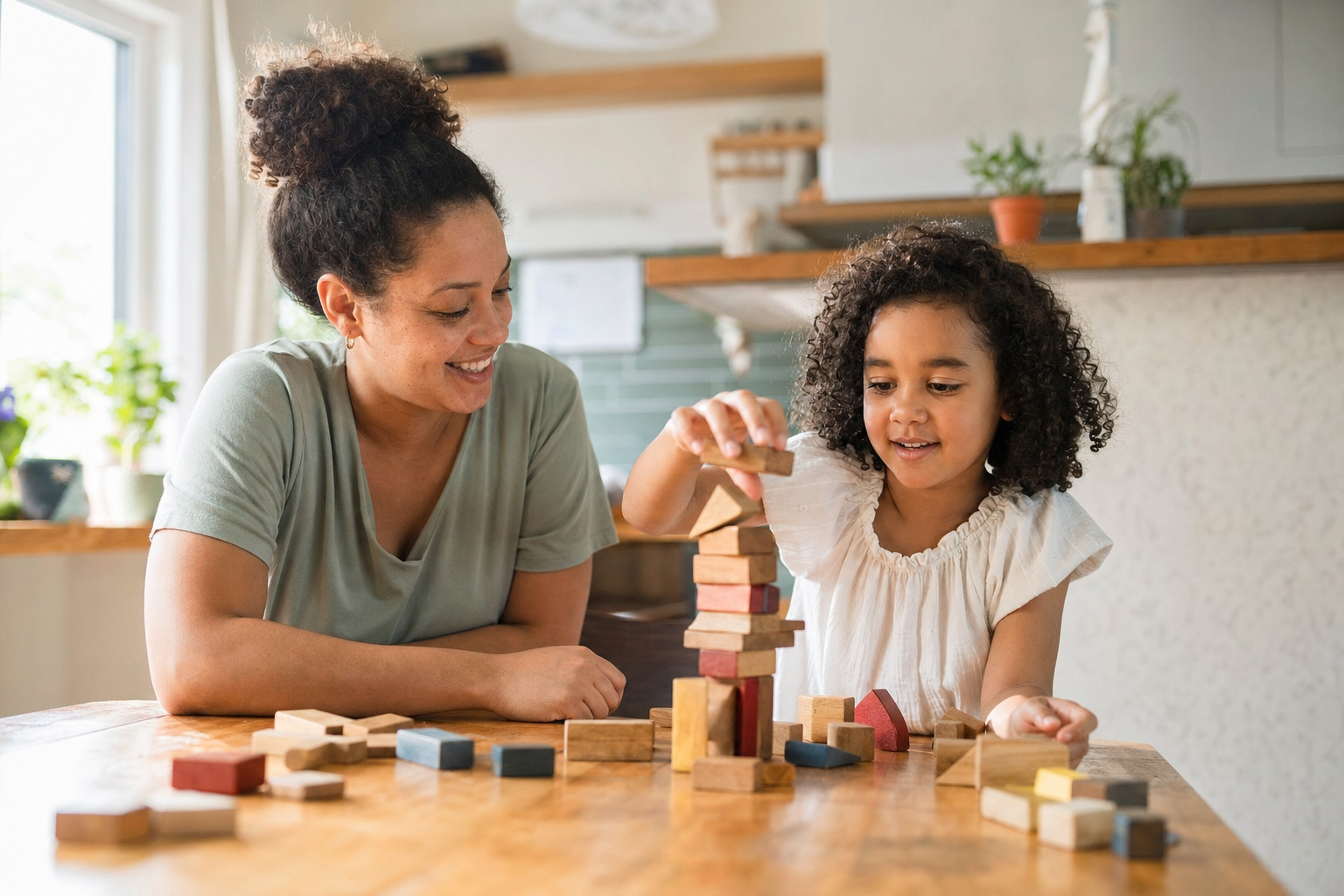
Pick one protected play window. Put out a few open-ended things. Let your kid be bored for a minute before you rescue them. Join for ten minutes if someone needs you, then step back when the play takes off.
Free play doesn’t have to be elaborate or expensive. In my house it’s usually a box, a blanket, a few blocks, a patch of dirt, or a made-up game that ends in a laugh at the kitchen table.
Kids need structure. They also need room.
Most days, honoring the importance of play is simple. I just leave enough space for it to begin.
Related Articles

Meet Sophia Richards Sophia Richards is an early childhood educator, passionate writer, and the proud mom of three energetic kids. With a degree in Education and over a decade of hands-on classroom experience, Sophia bridges the gap between professional teaching strategies and everyday family life. At More4Kids, she translates complex child development concepts into practical, actionable parenting tips that families can use at home.
Whether she is sharing positive reinforcement techniques, educational crafts, or honest reflections on the chaos of raising three children under one roof, Sophia’s goal is to empower parents to foster resilience and joy in their kids. When she isn't writing or lesson planning, you can find her organizing neighborhood scavenger hunts or trying out new kid-friendly recipes.
Areas of Expertise: Early Childhood Education, Positive Parenting, Sibling Dynamics, Educational Play, Family Wellness.

Add Comment